





A project to recover, digitize, and re-engage the legacy of Africa's most important literary journal — 1957 to 1993.
The Black Orpheus Journal of African and Afro-American Literature was first published in 1957, founded by Ulli Beier — a German-Jewish expatriate whose work in late-fifties Nigeria helped bridge a crucial gap between Francophone, Anglophone, and Afro-American literatures.
Its pages carried the early work of Wole Ṣóyínká, Christopher Okigbo, Chinua Achebe, J.P. Clark, Abiola Irele, Ama Ata Aidoo, and Leon Damas — defining voices in African modernism. After Beier left Nigeria in 1967, the journal continued under Clark and Irele, and trudged on — in fits and stops — until it finally ceased publication in the early 1990s.
"For many years, these were scarce materials not accessible even to writers in Nigeria around whom many of the creative pieces were first created."
Beginning in November 2024, OlongoAfrica launched Black Orpheus Revisited: a year-long project to recover the physical copies, digitize the complete run, and bring contemporary African writers and artists into creative conversation with this pivotal archive. The project is supported by a grant from the Open Society Foundations.
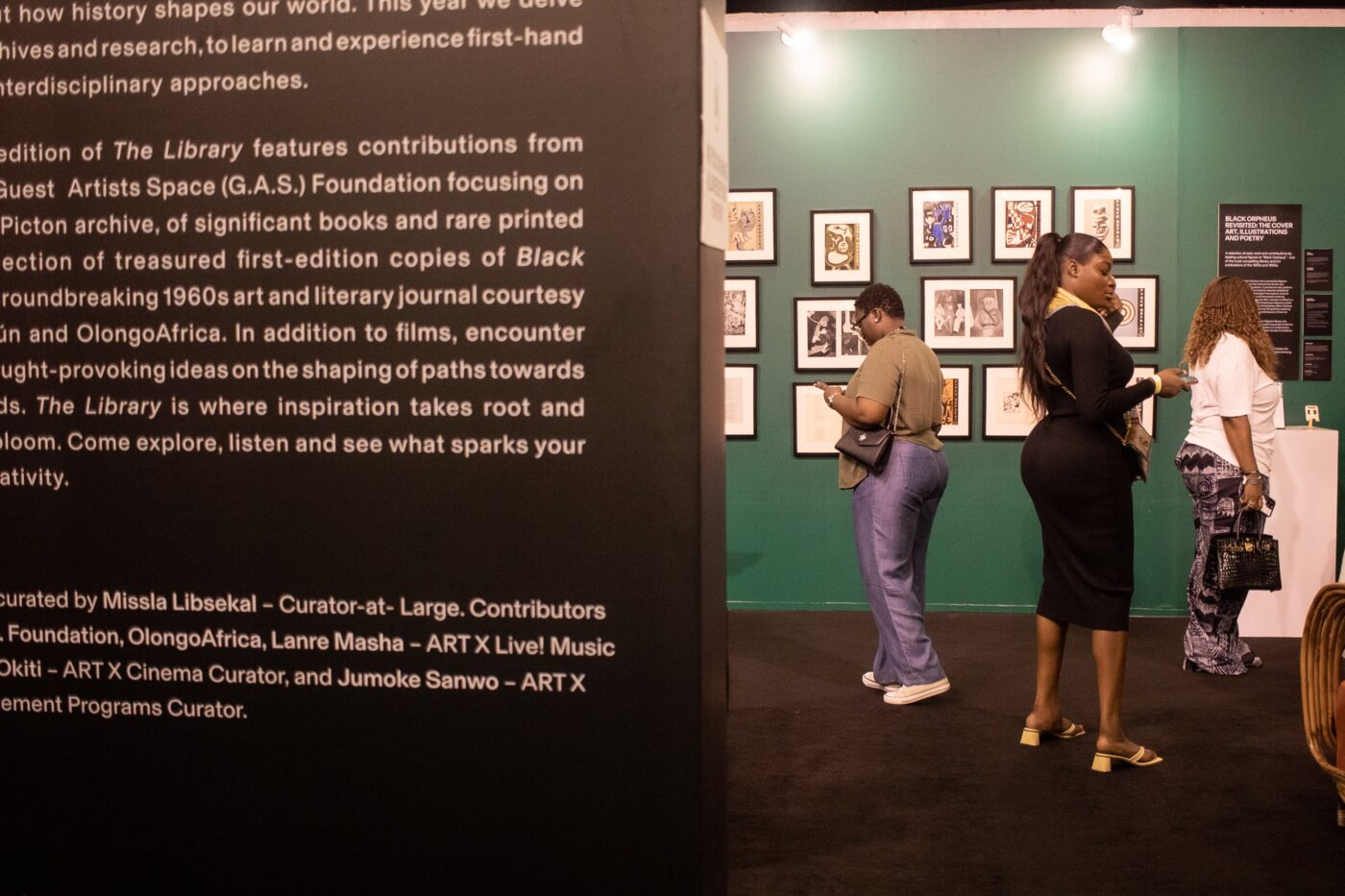
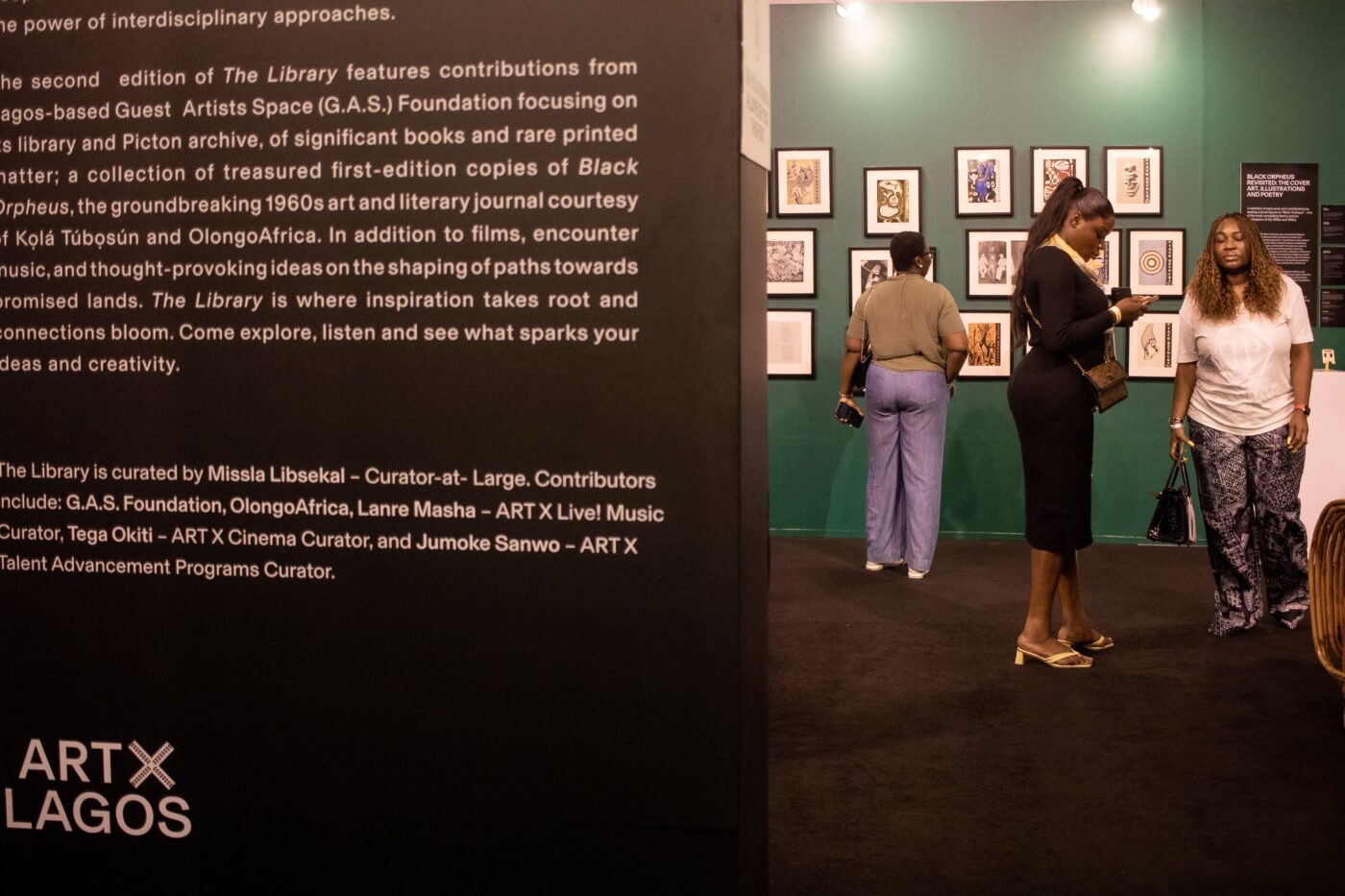
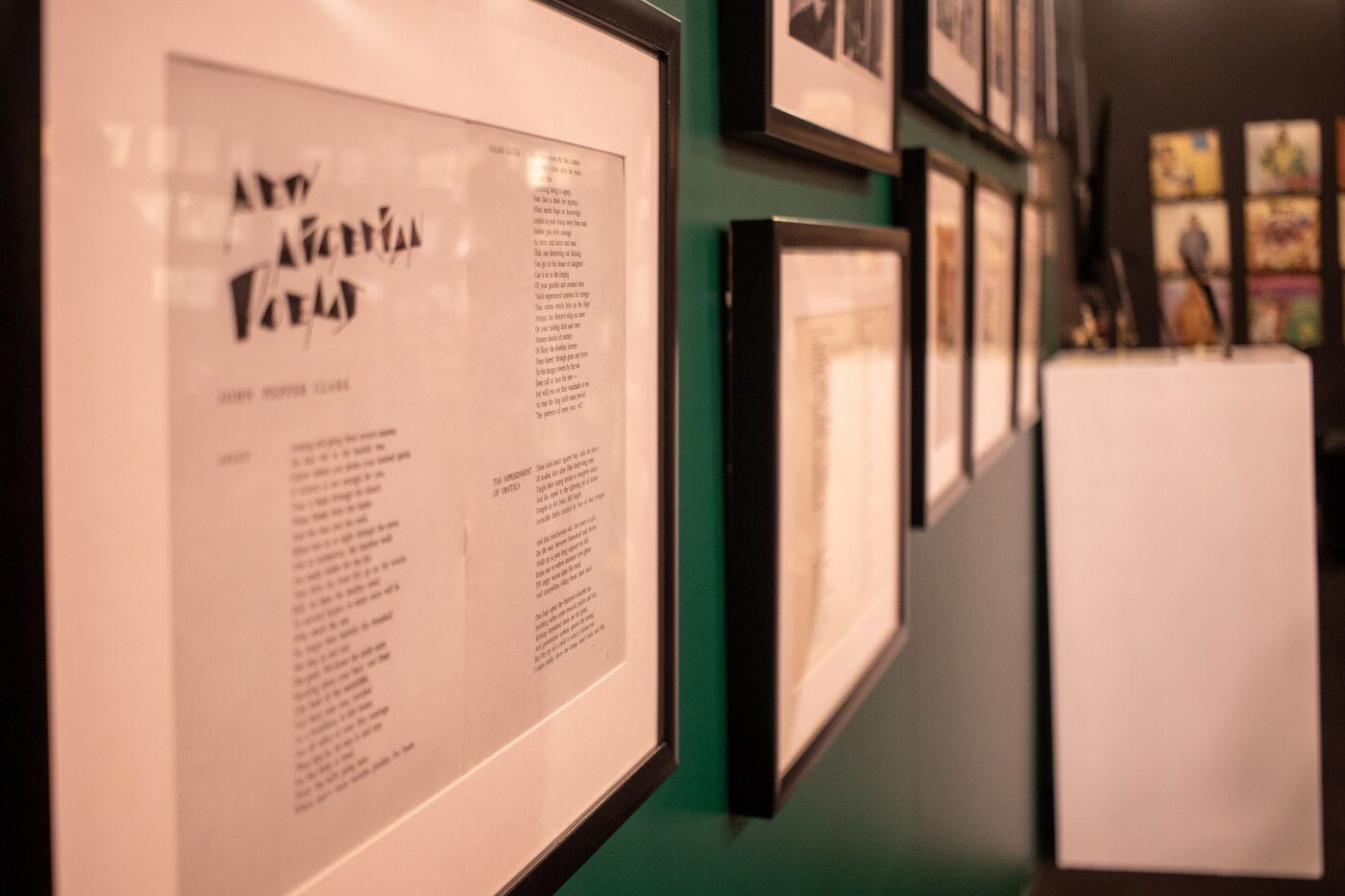
In November 2024, we exhibited original copies at Art X Lagos. In early 2025, we completed the digitization of all recovered volumes in collaboration with Archivi.ng and JCAA Lagos. The inaugural class of Black Orpheus Fellows was selected in February 2025, and 43 physical items were loaned to the G.A.S. Library in Lagos.
Some copies were donated by Professor Fẹ́mi Euba (Louisiana). Additional scanned copies came from Charles Akínṣẹ̀tẹ̀ (University of Ibadan) and Li Lu (Beijing Foreign Studies University).
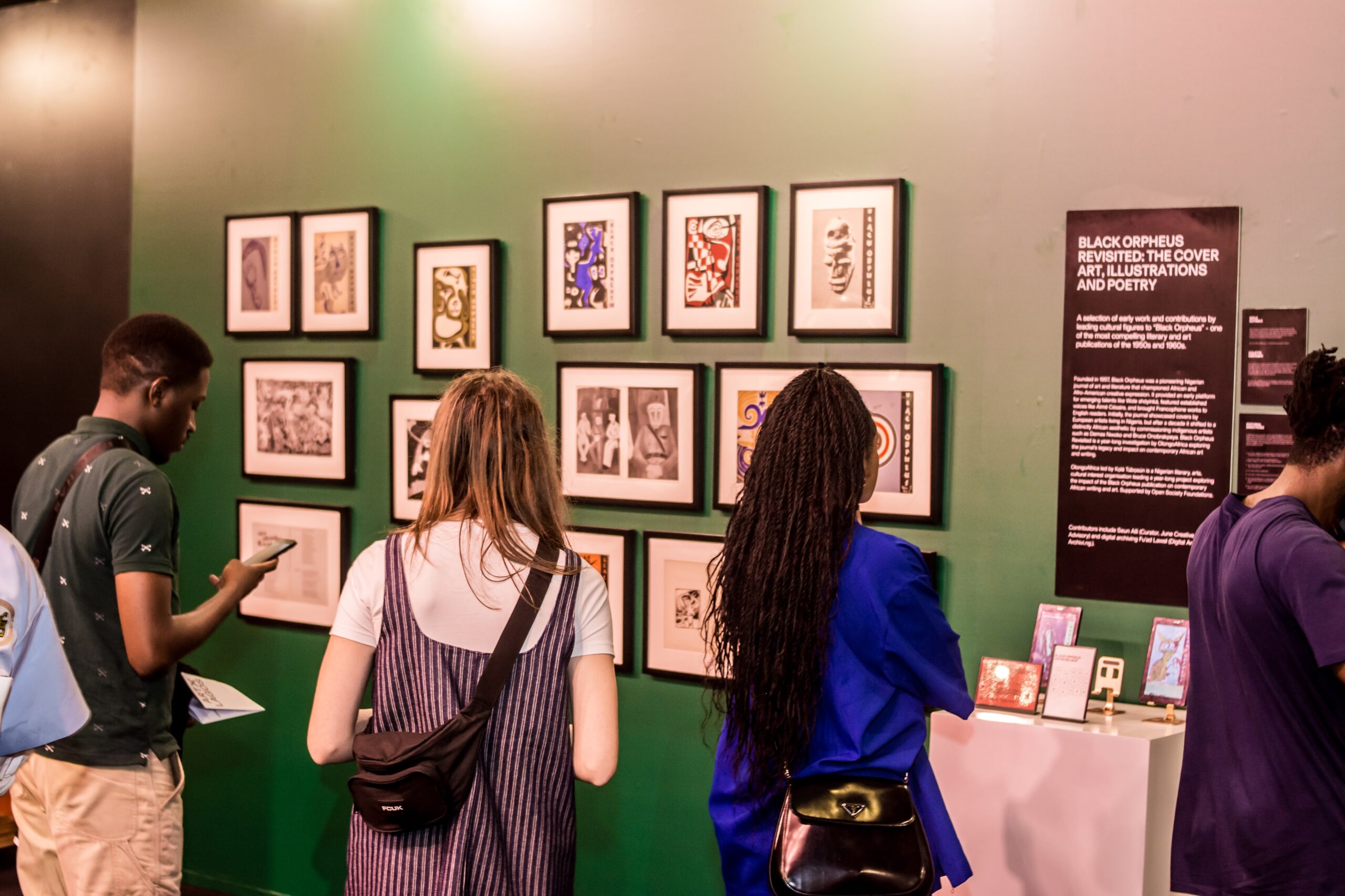
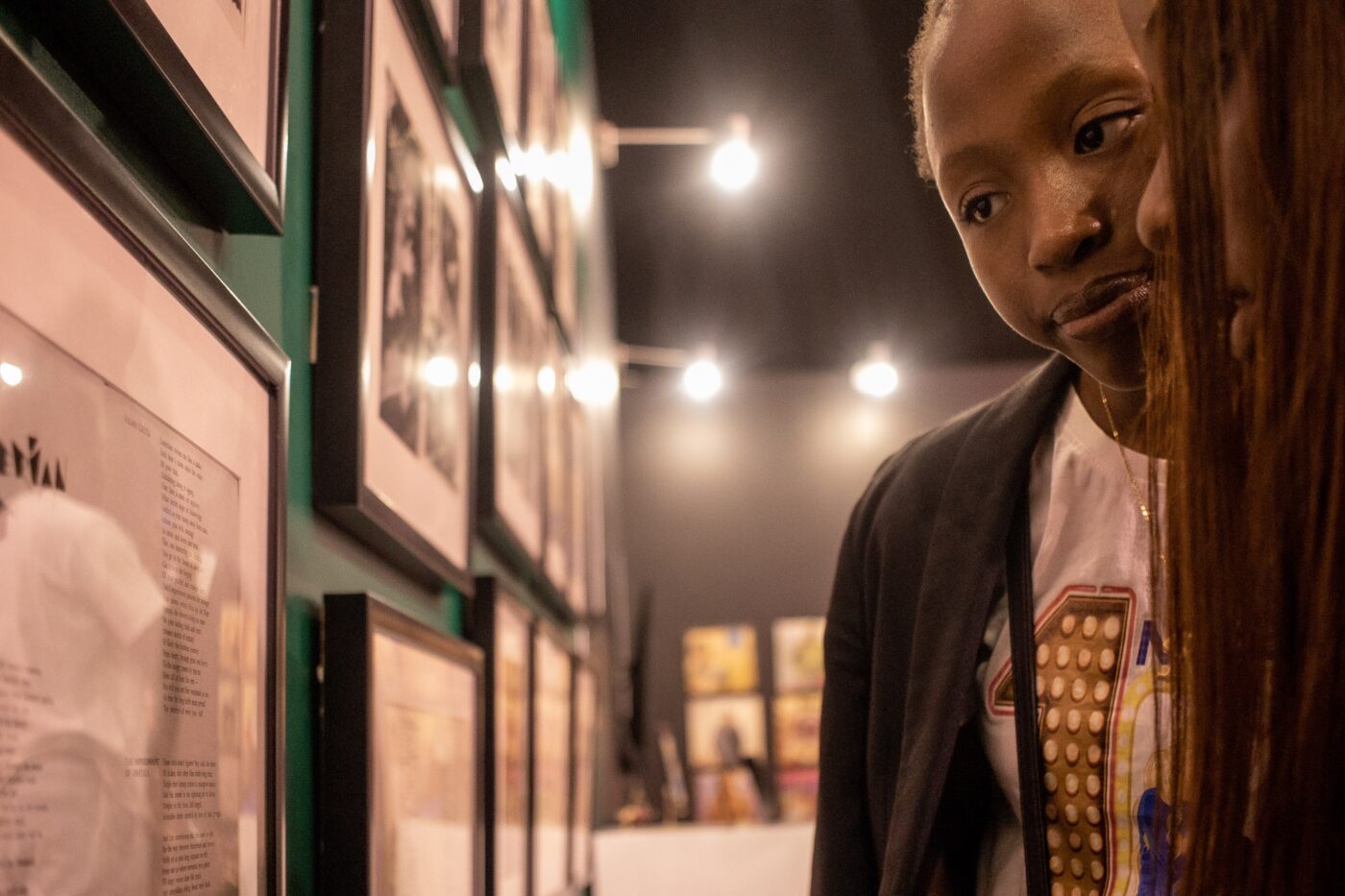
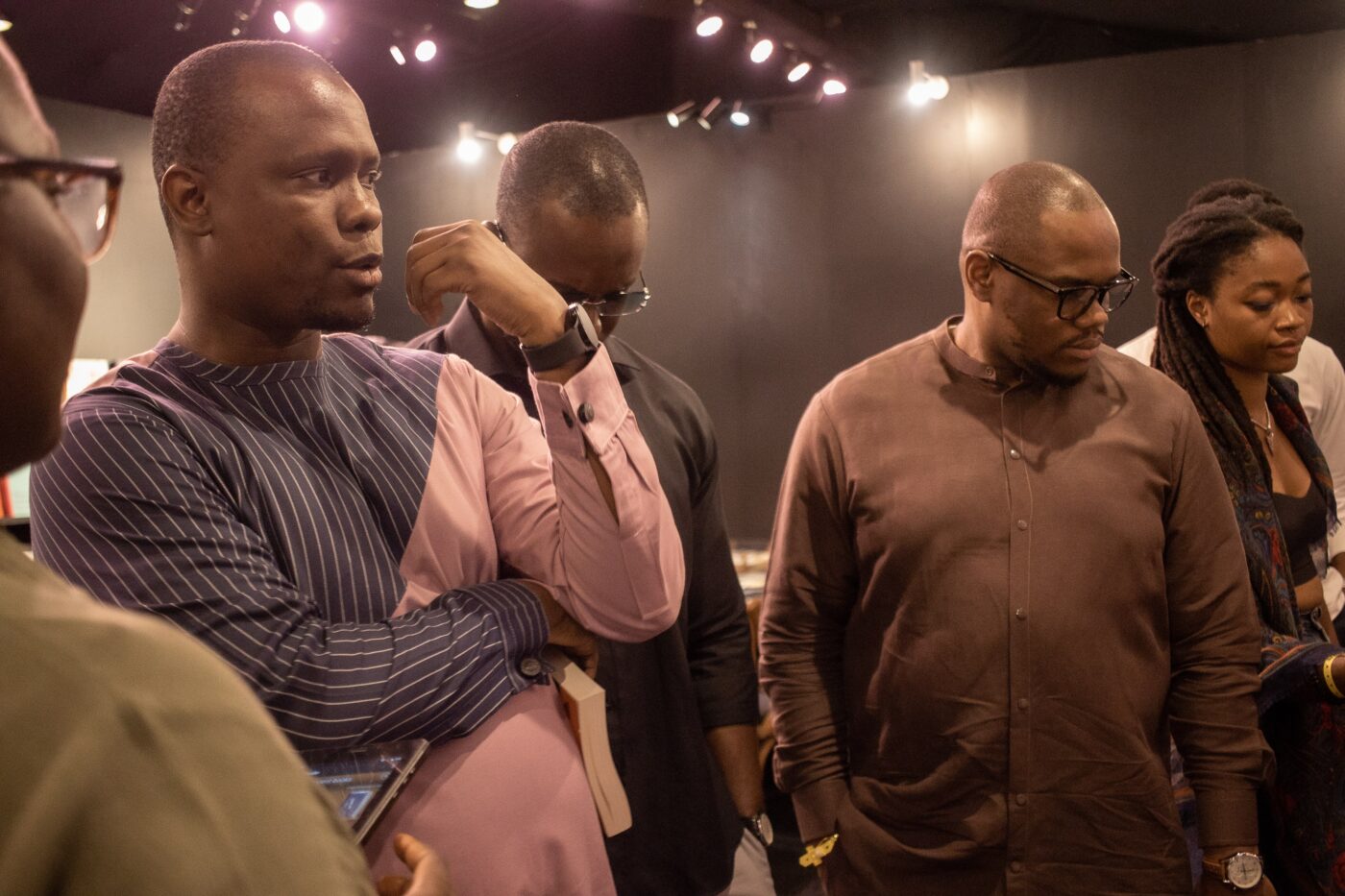
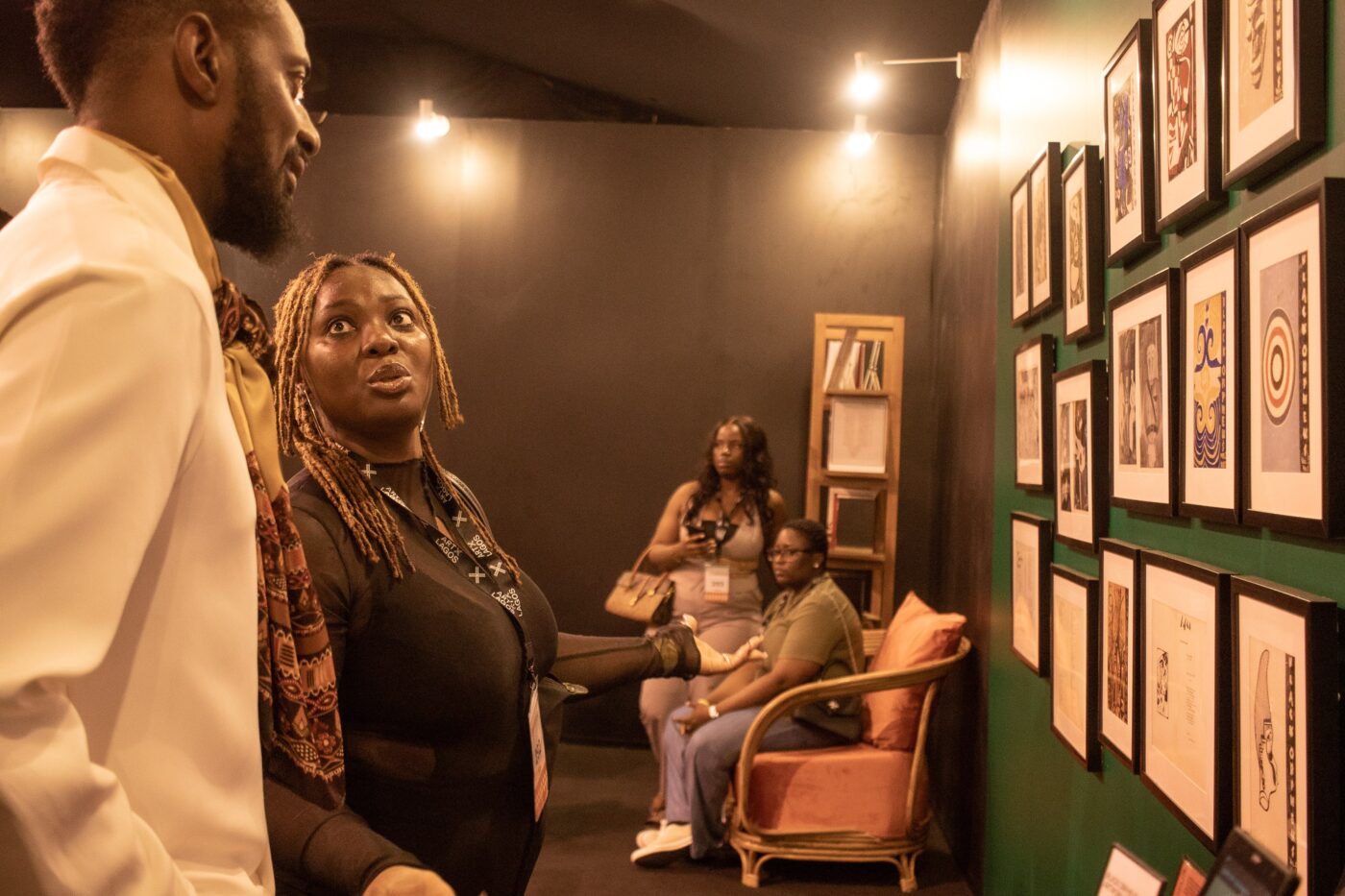
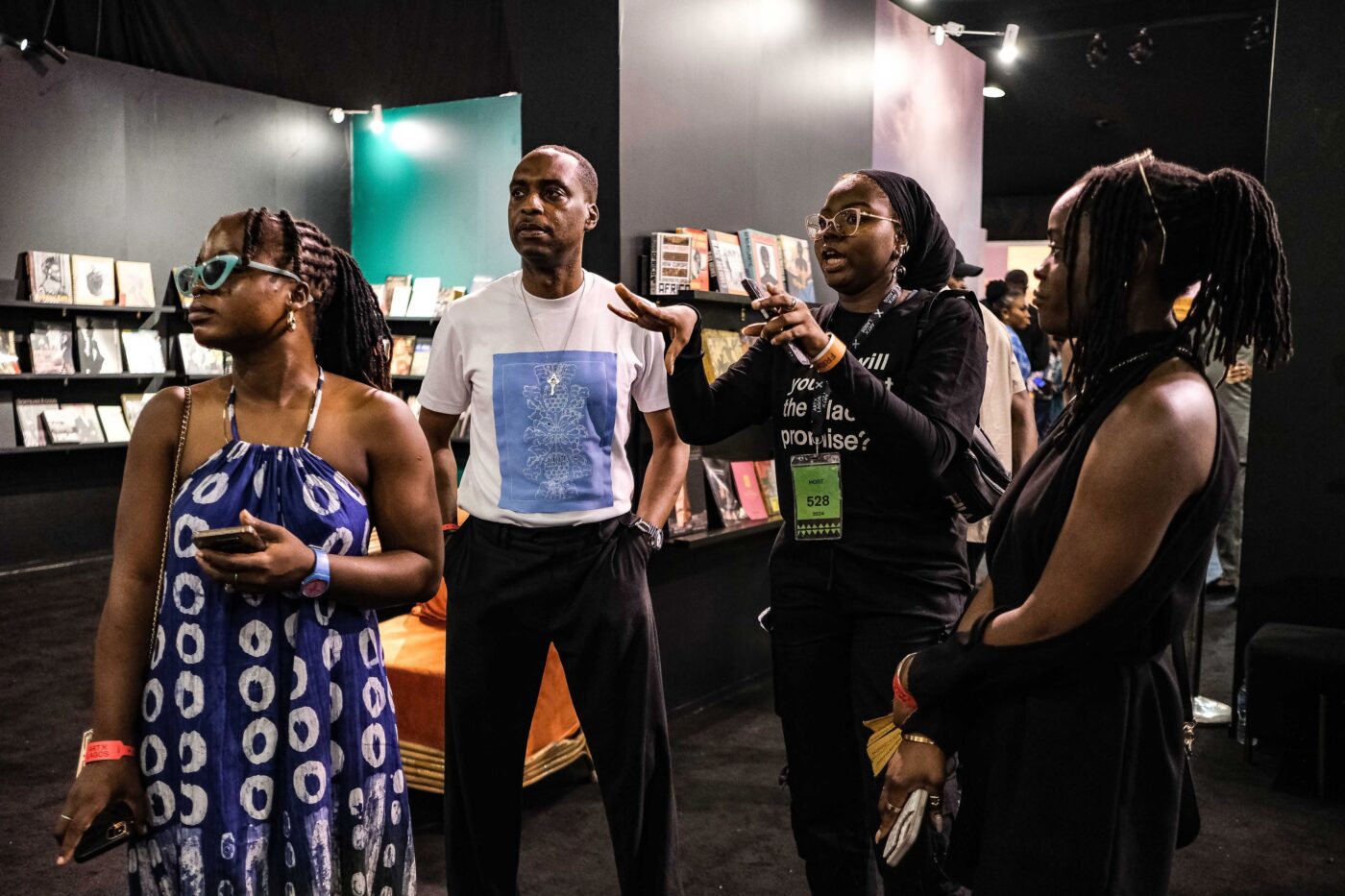
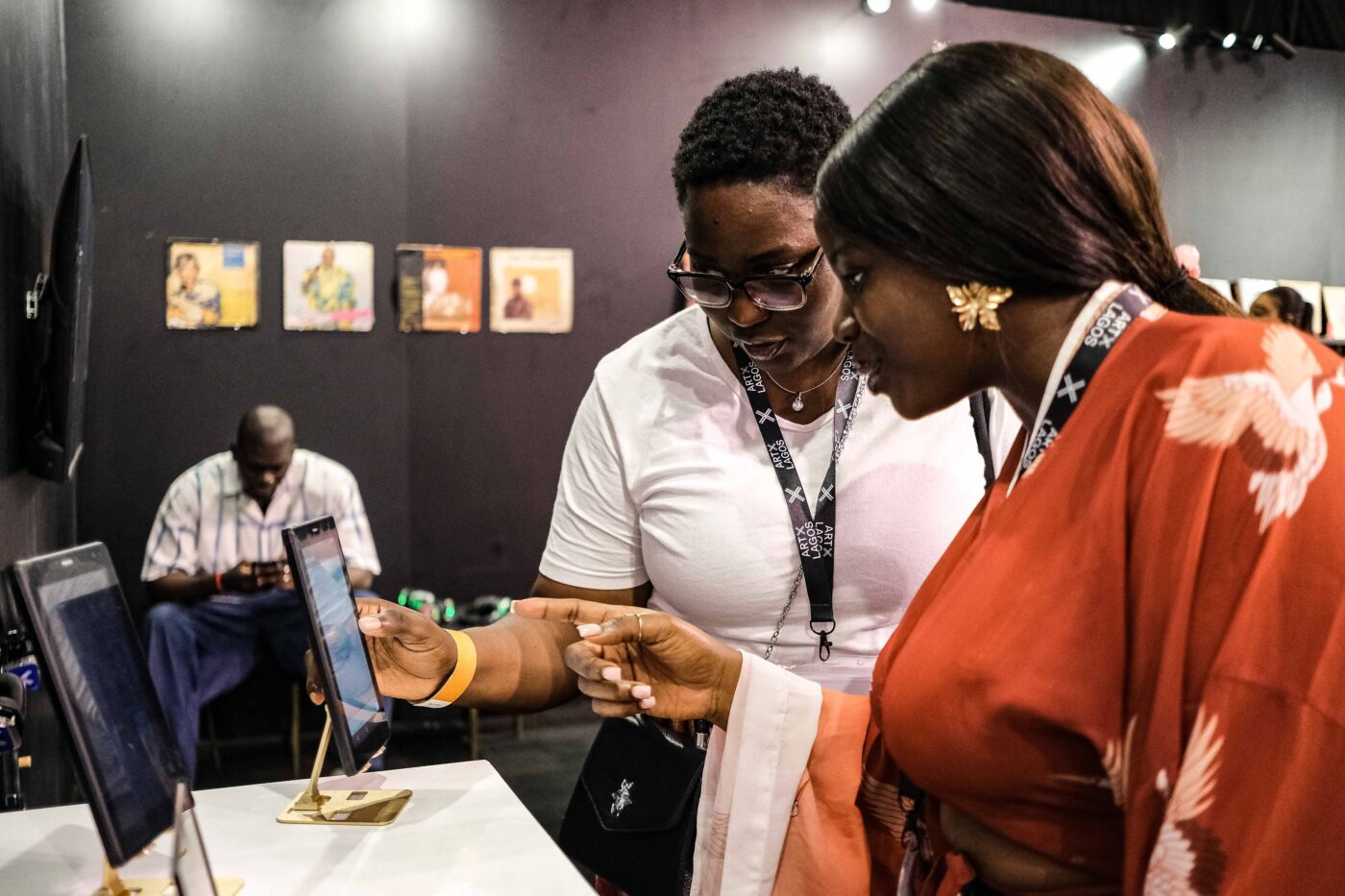
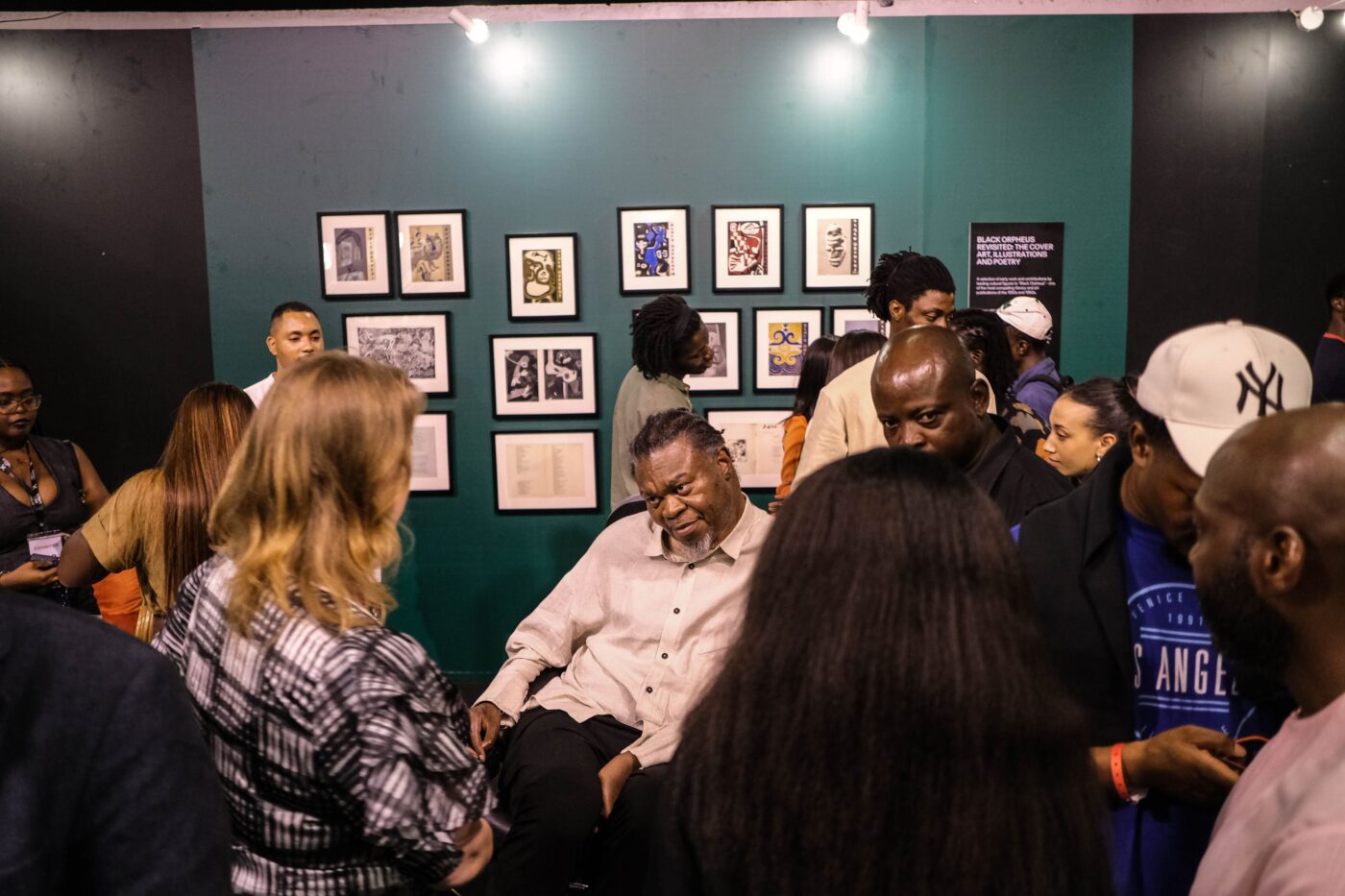
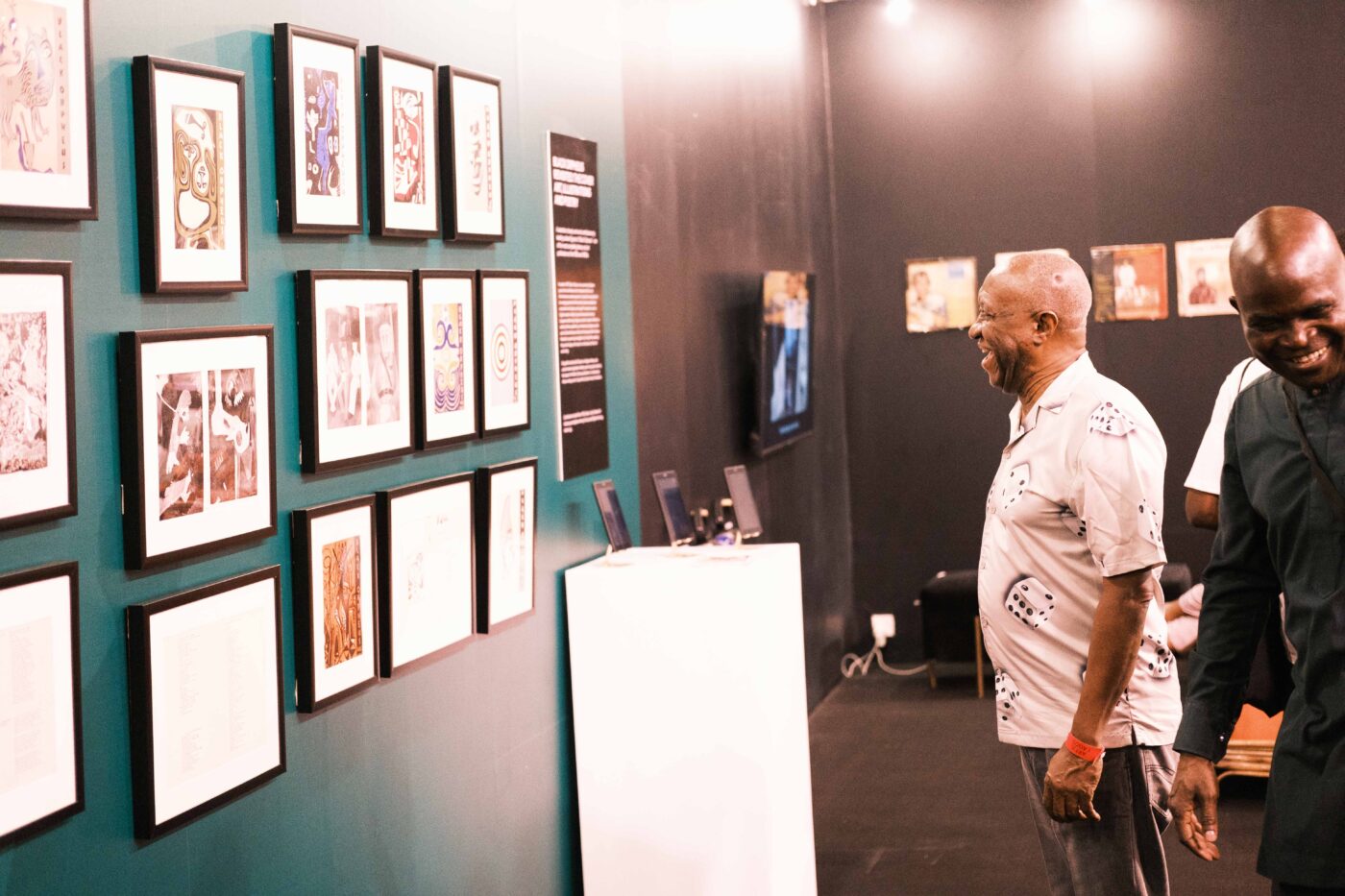
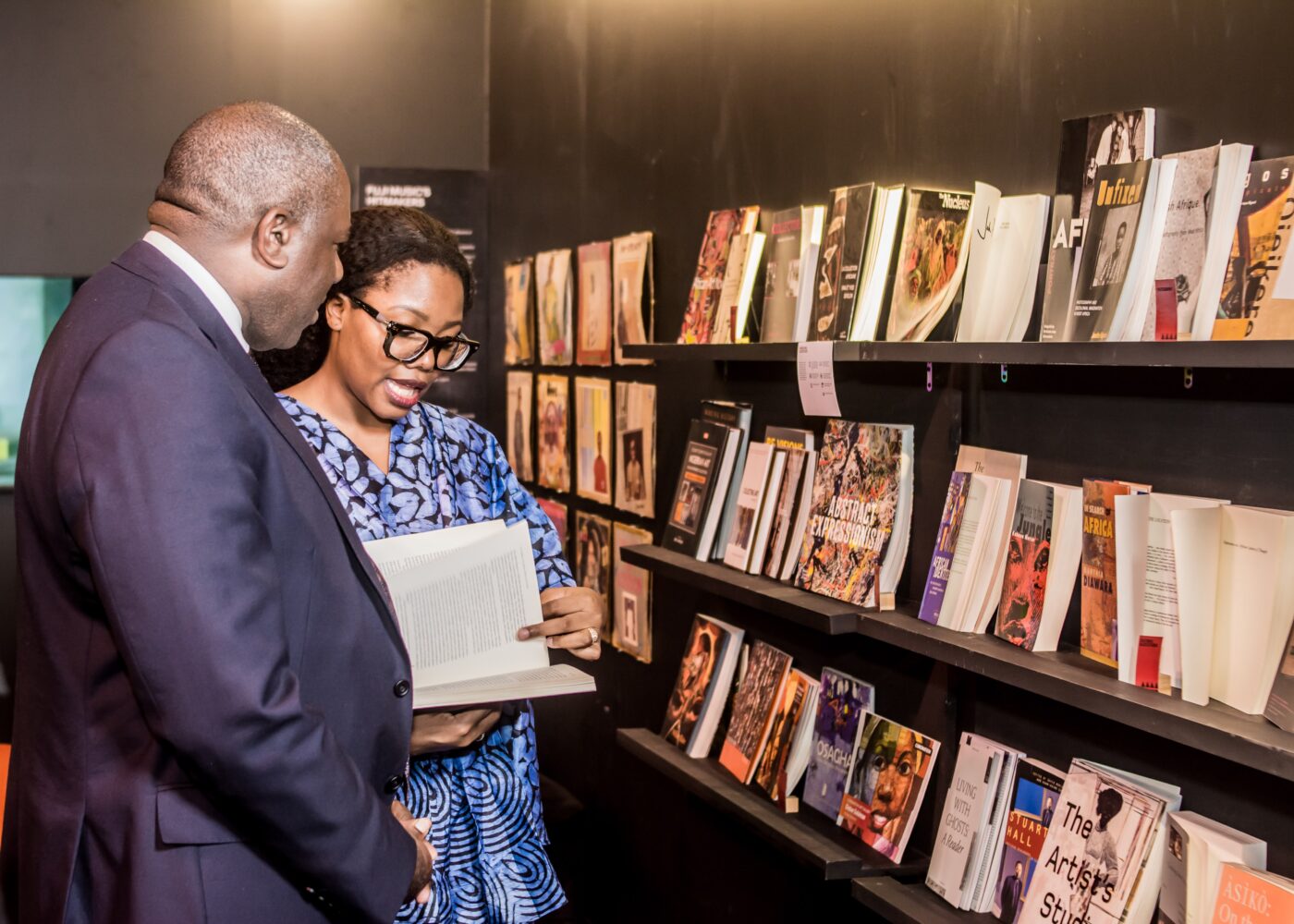
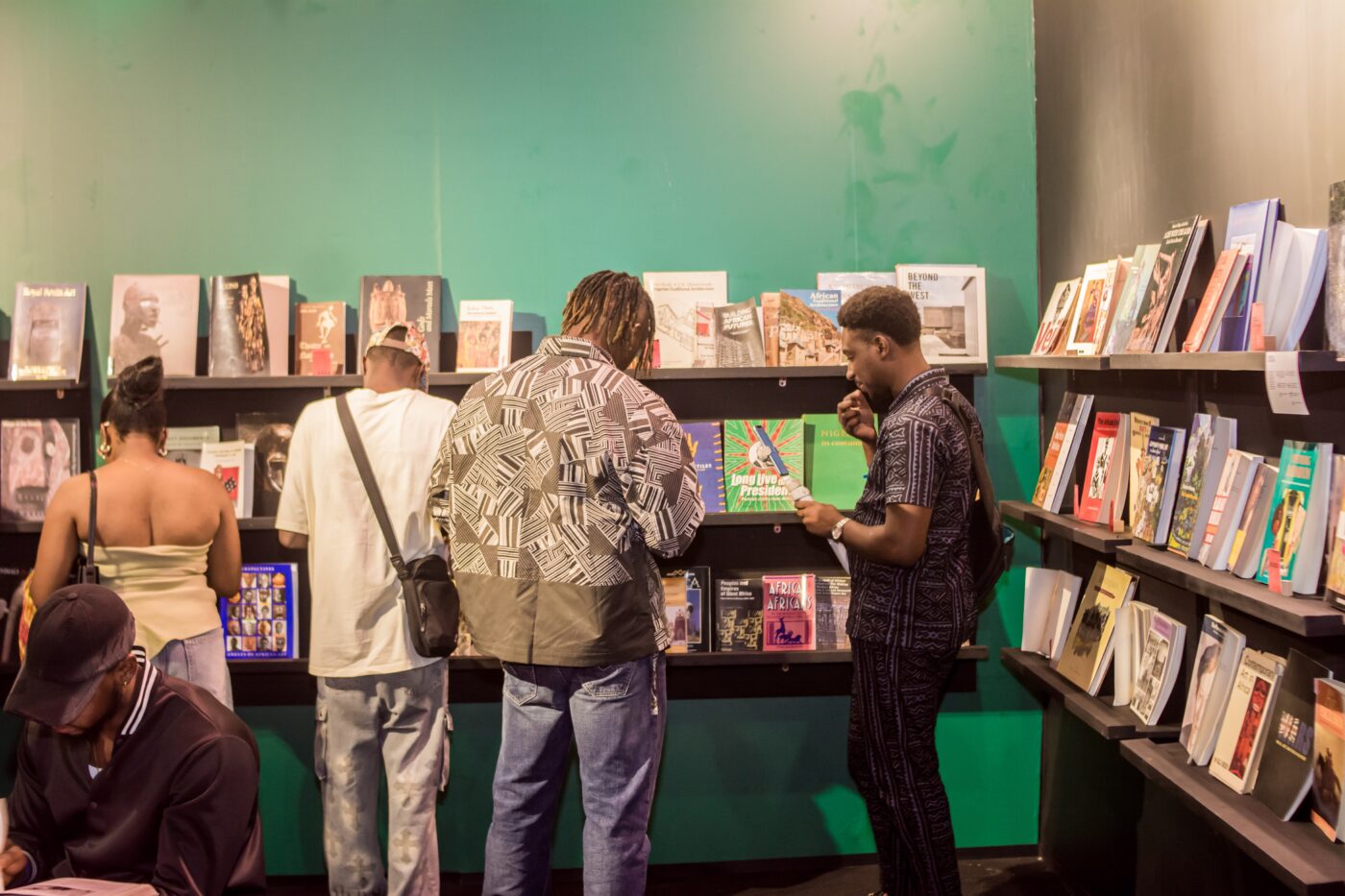
Art X Lagos · October–November 2024
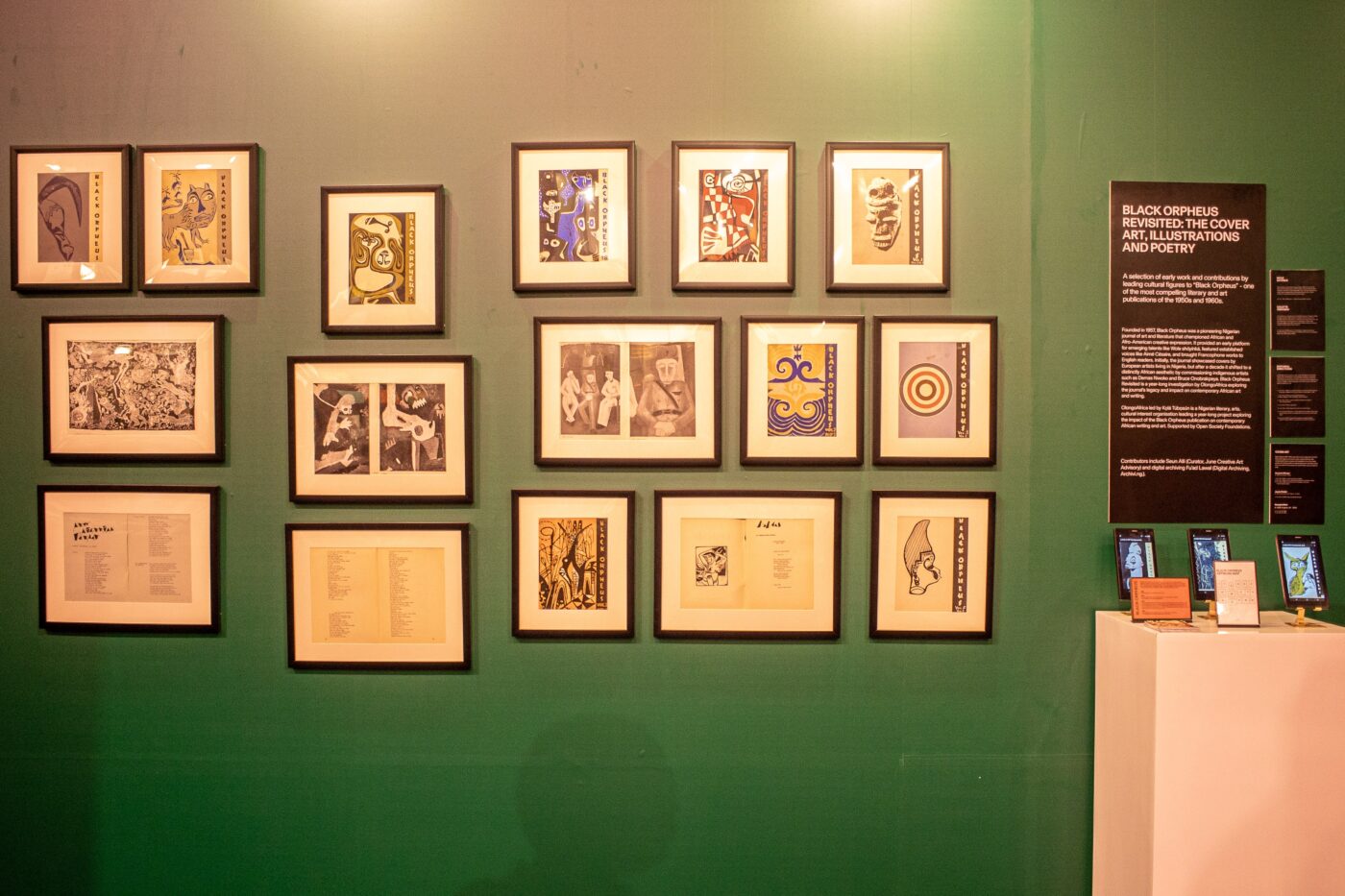
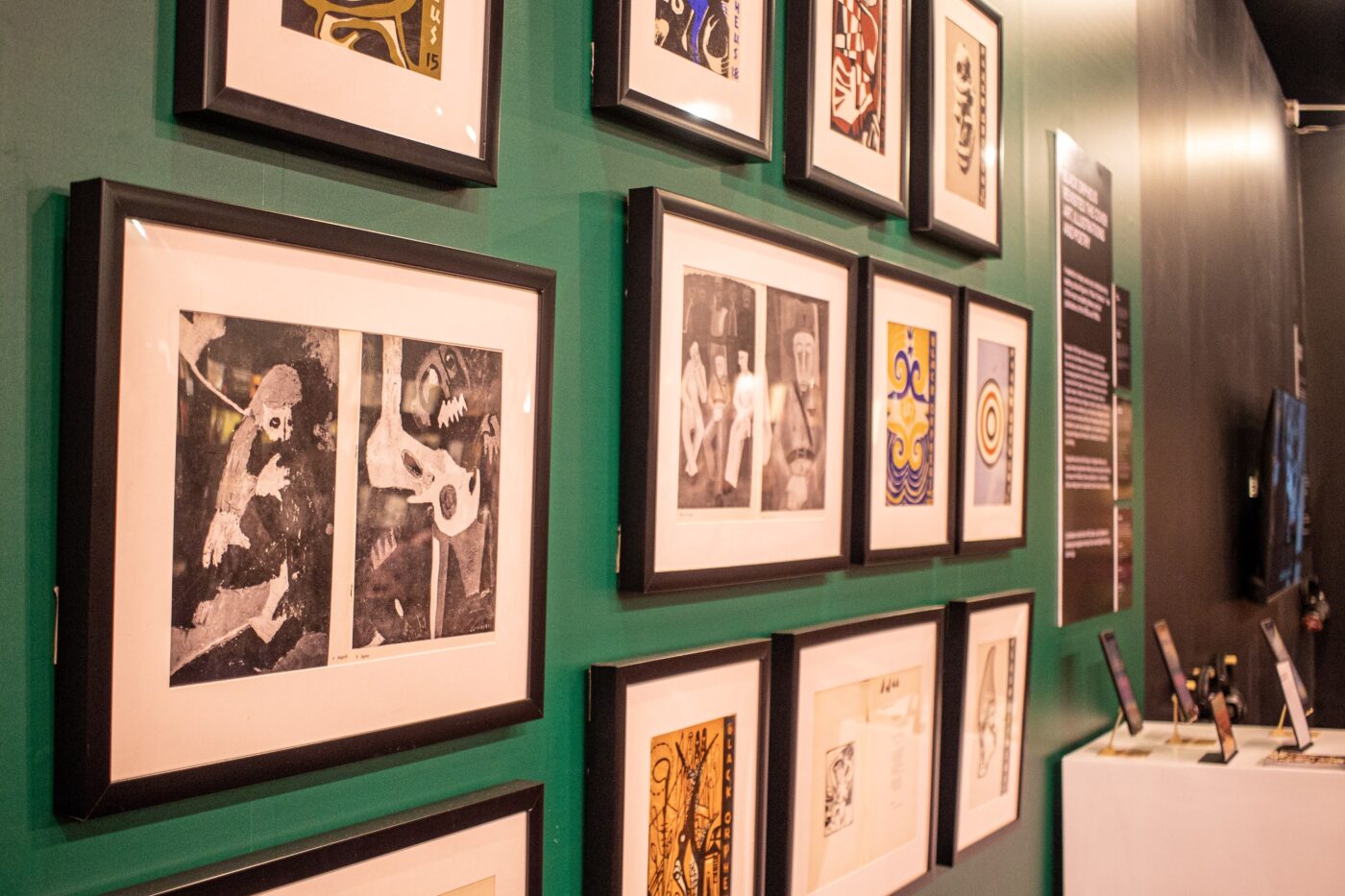
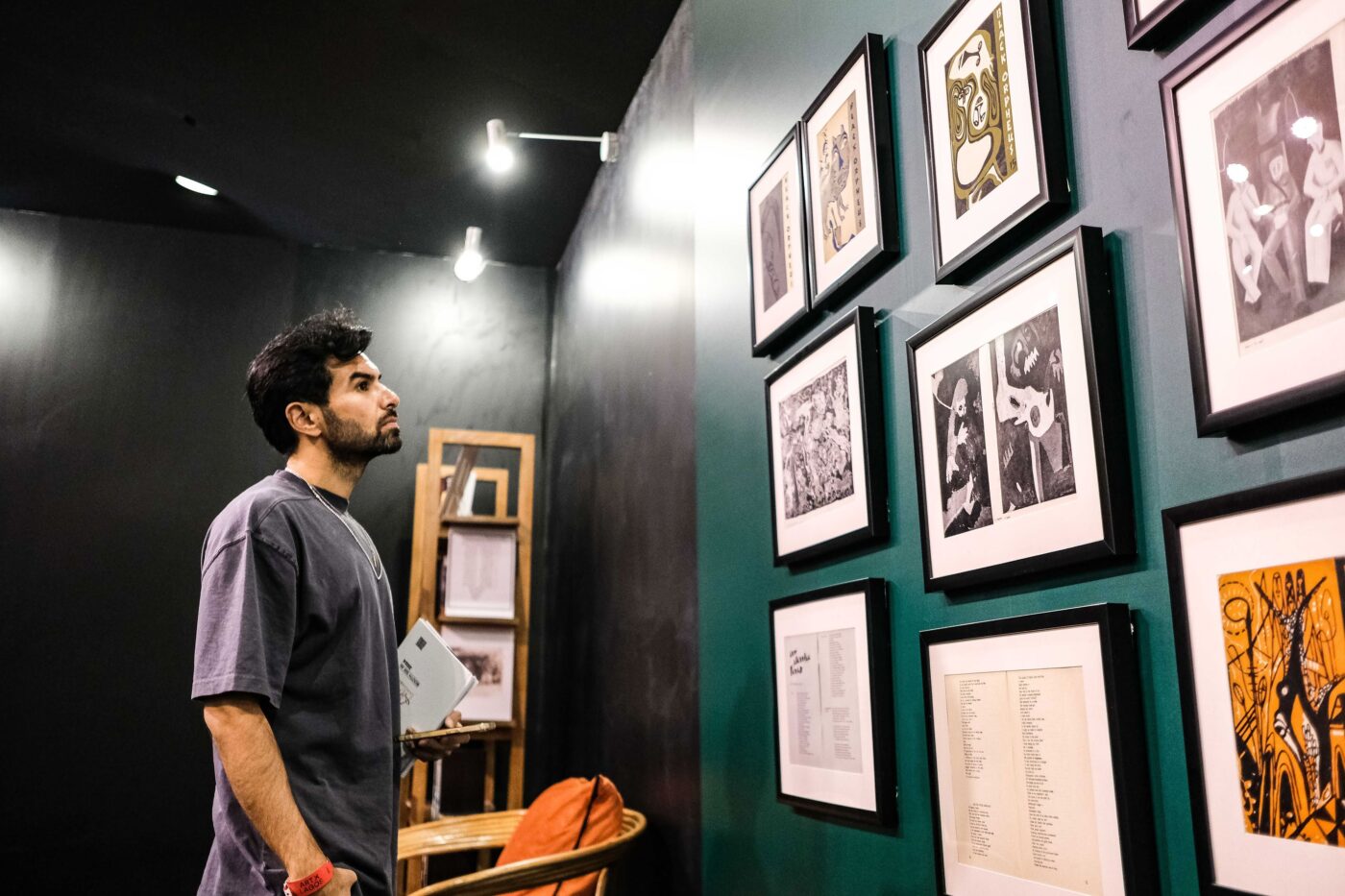
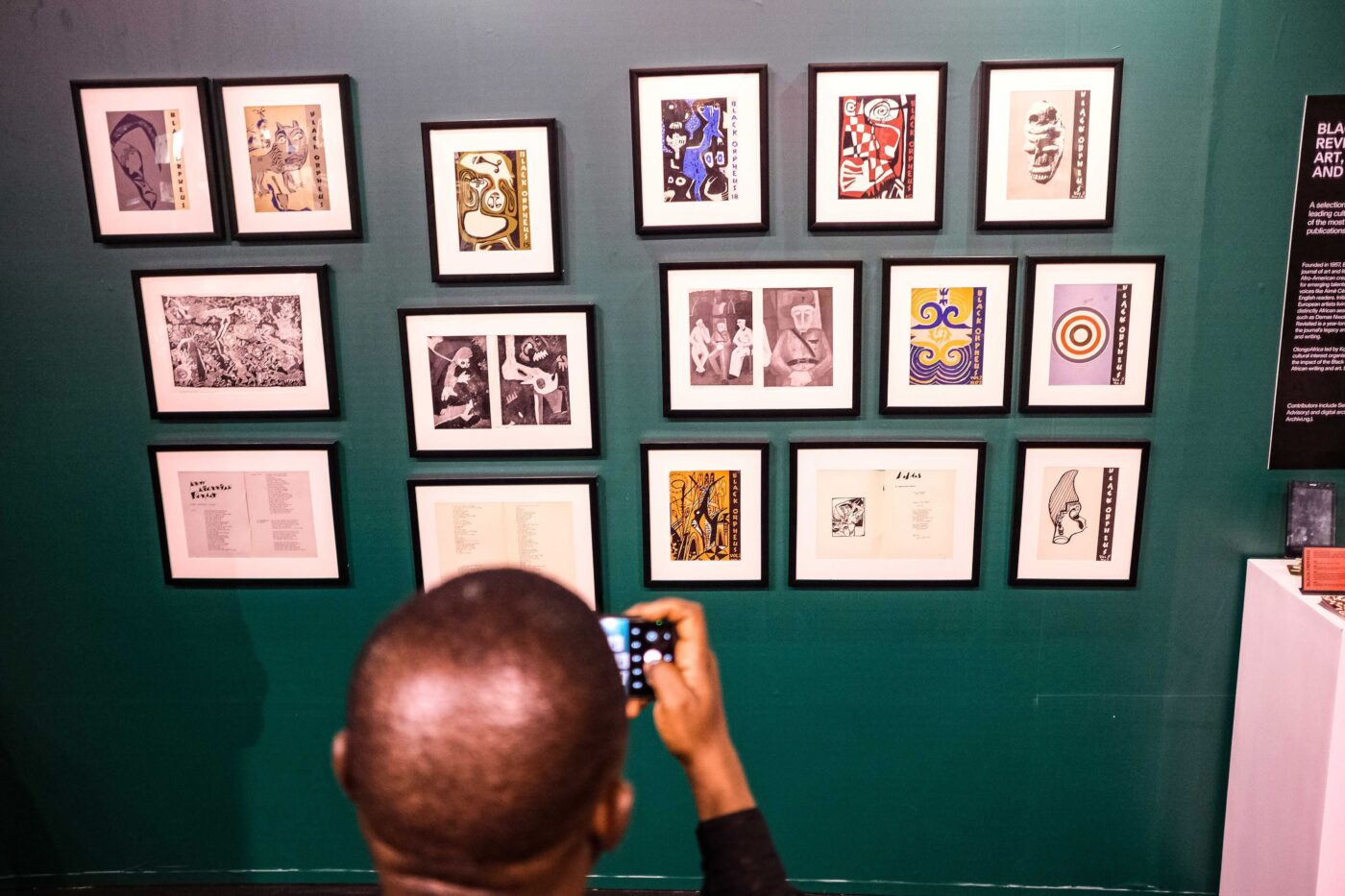
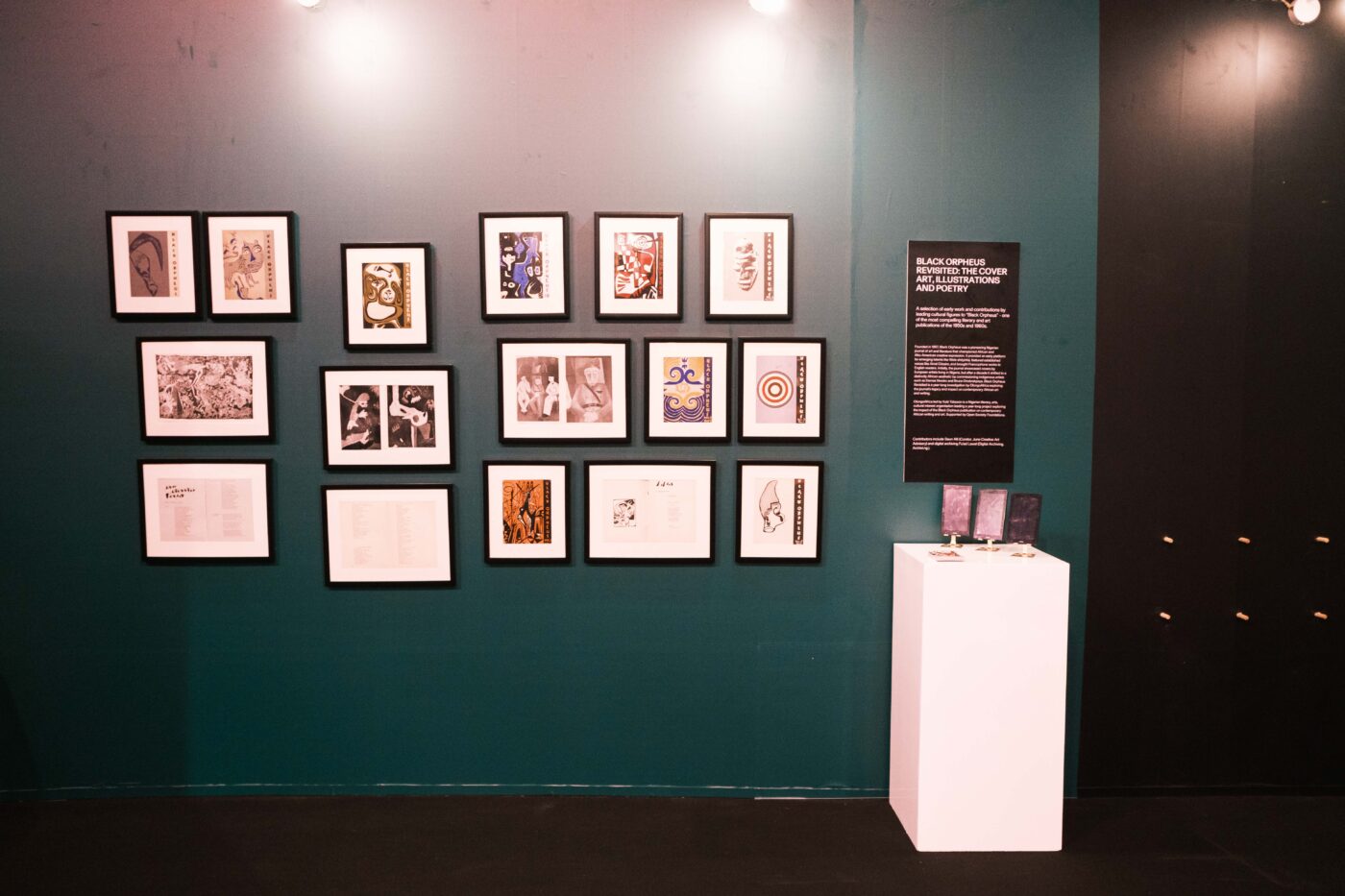
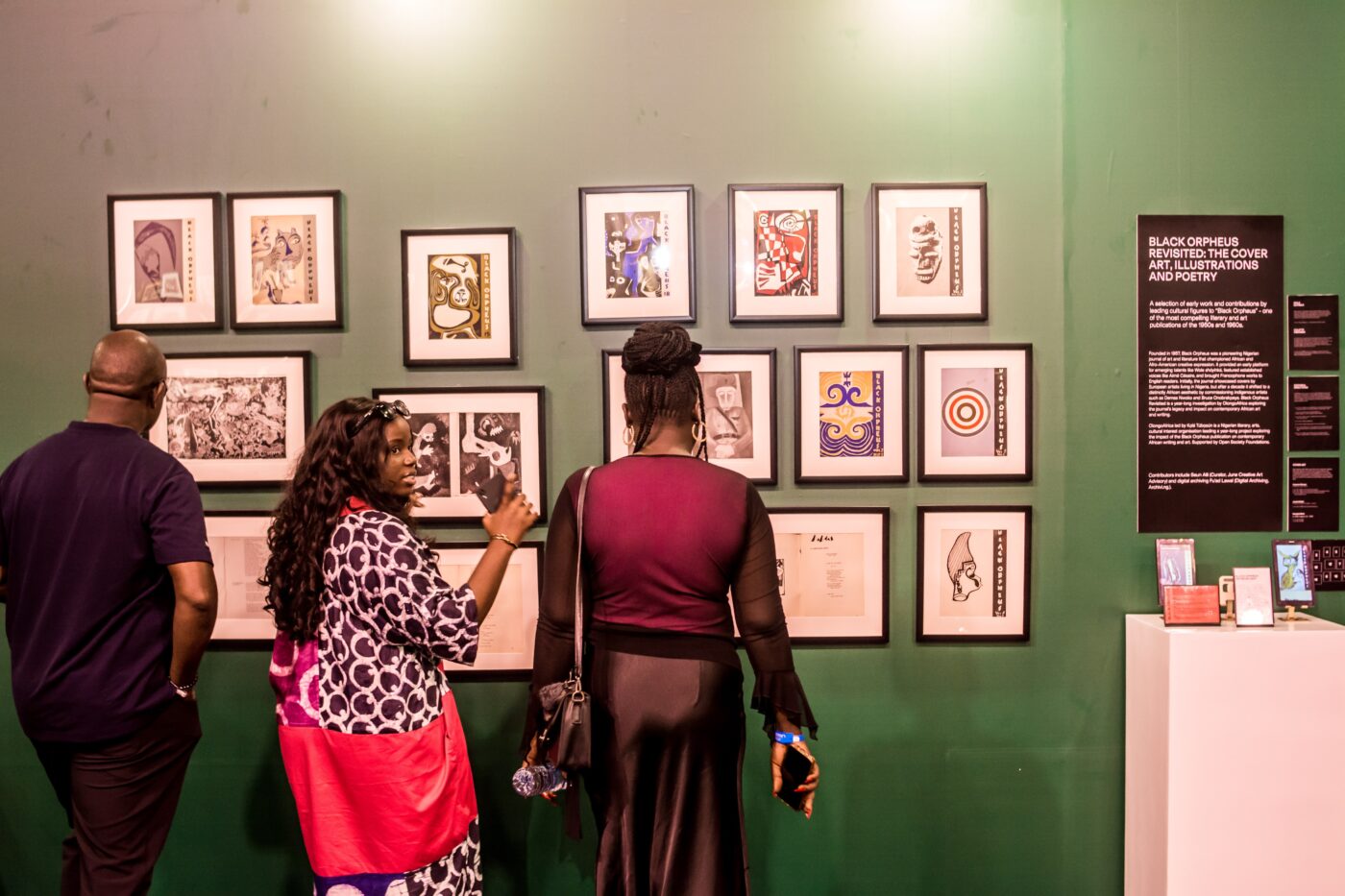
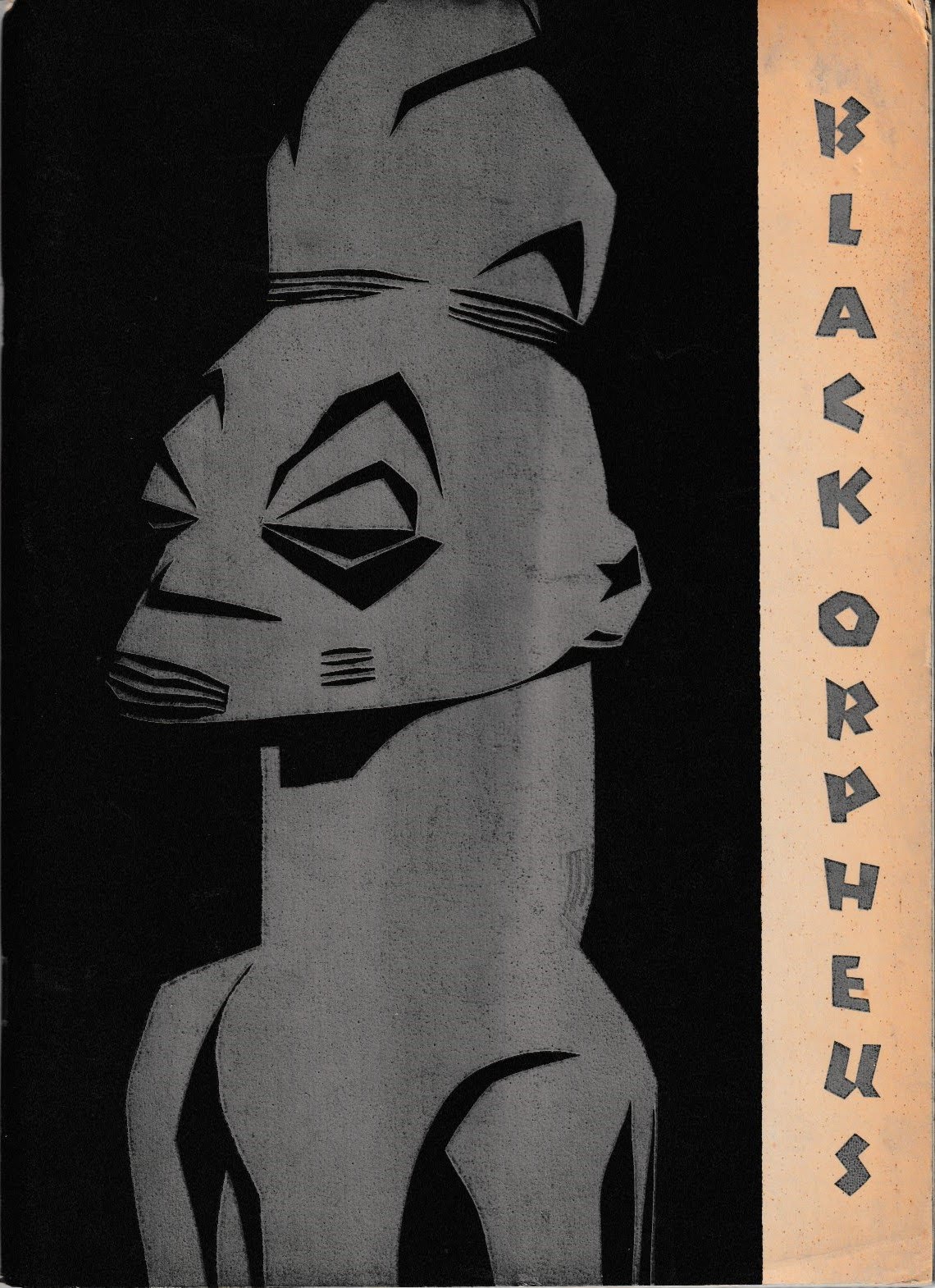
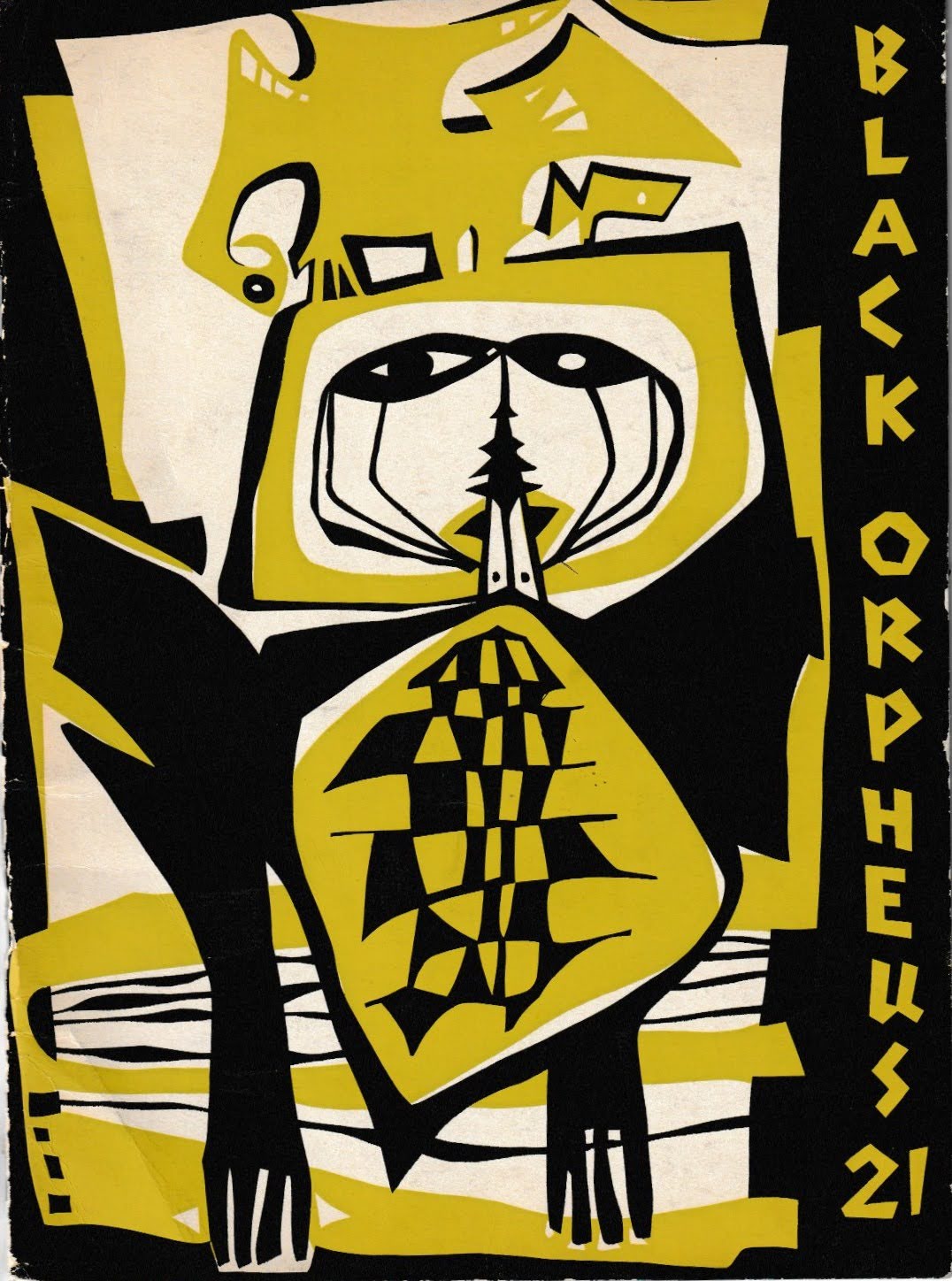
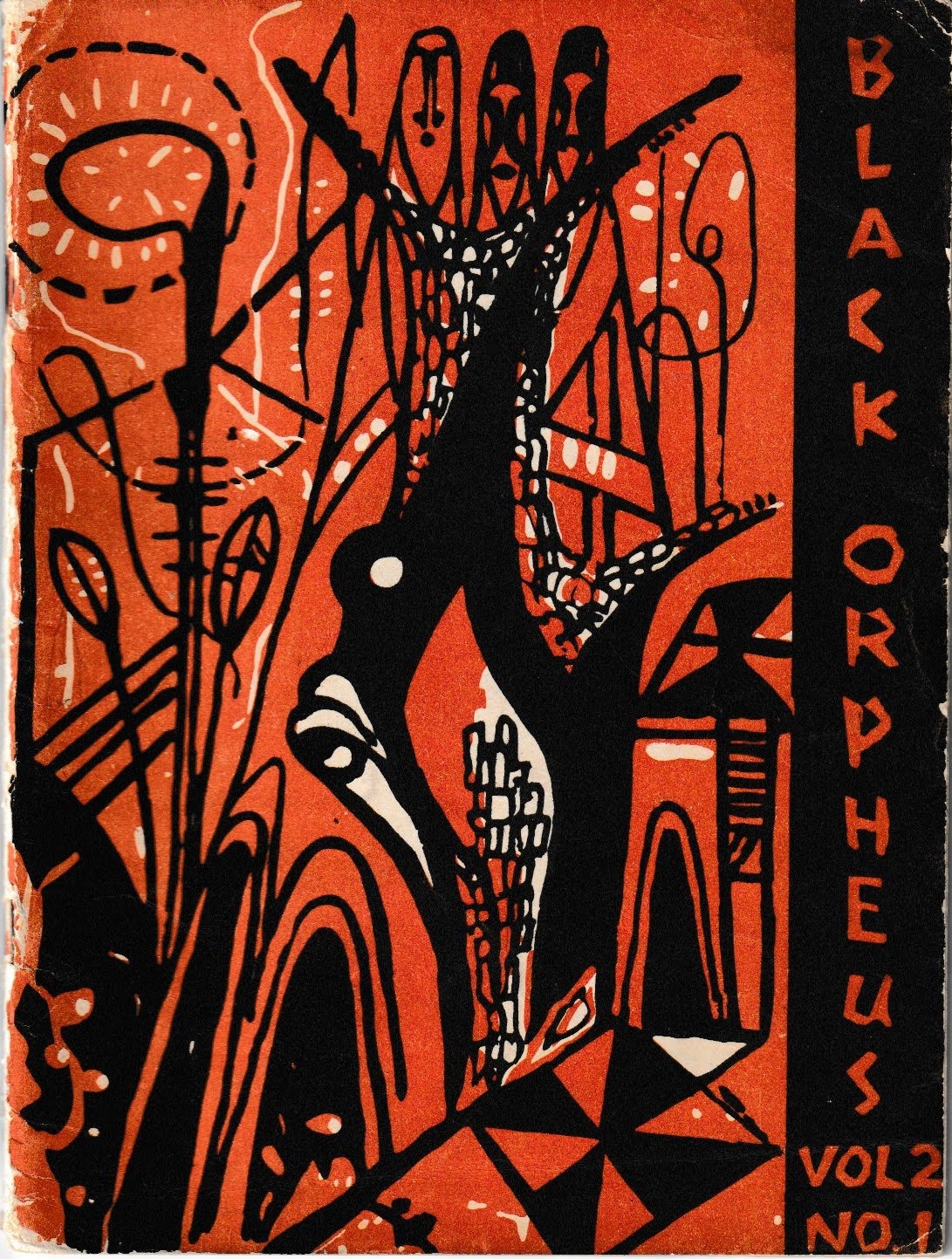
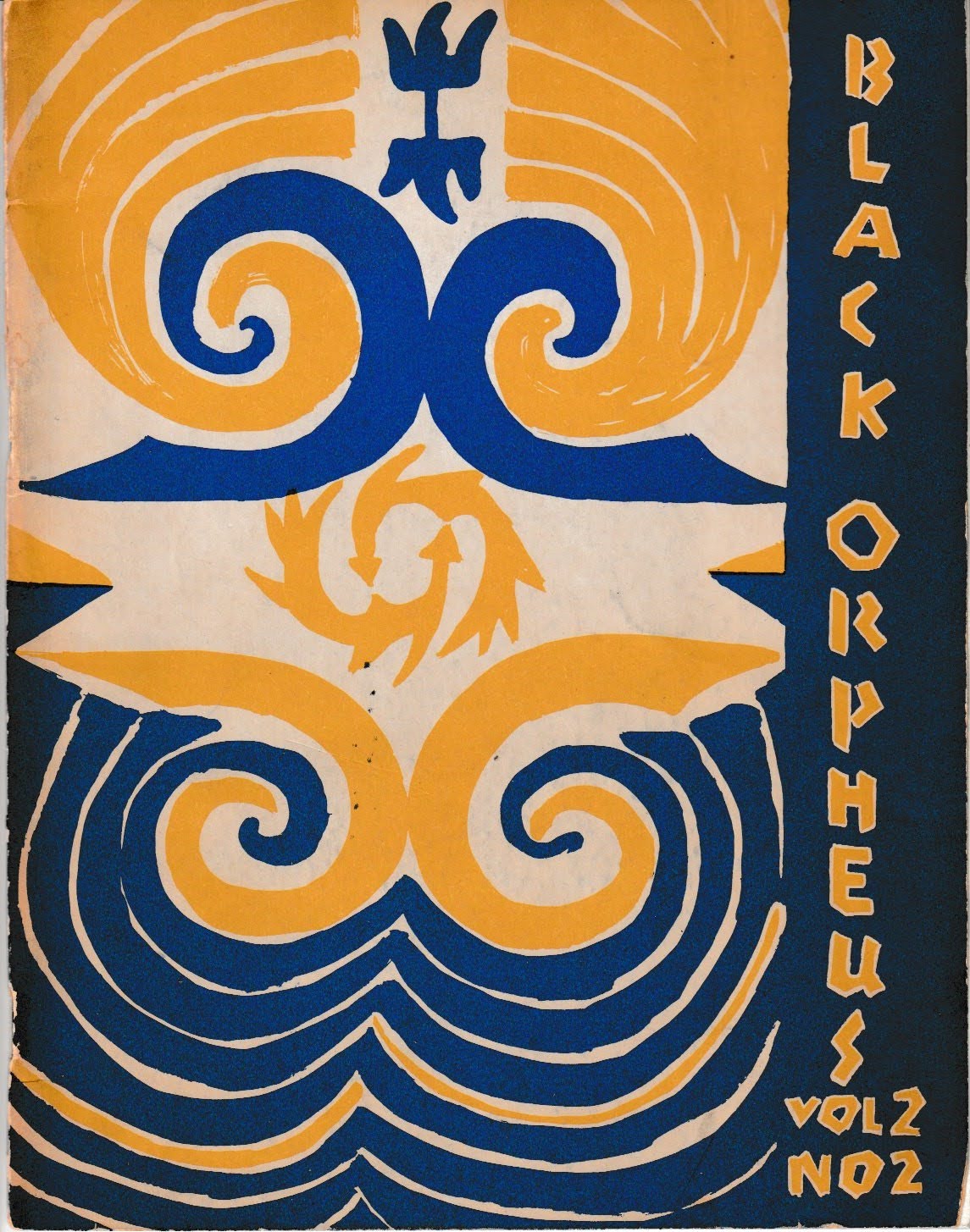
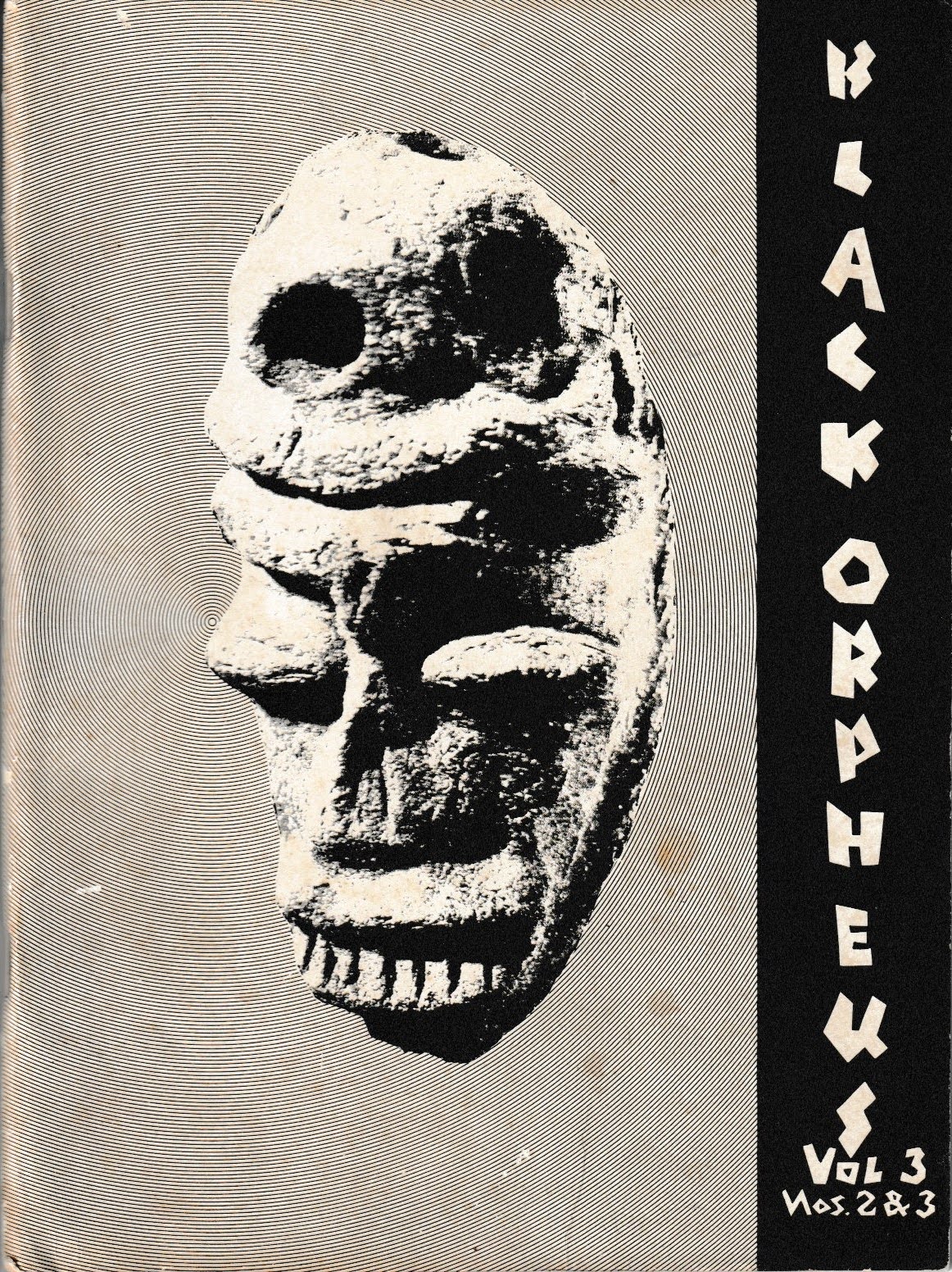
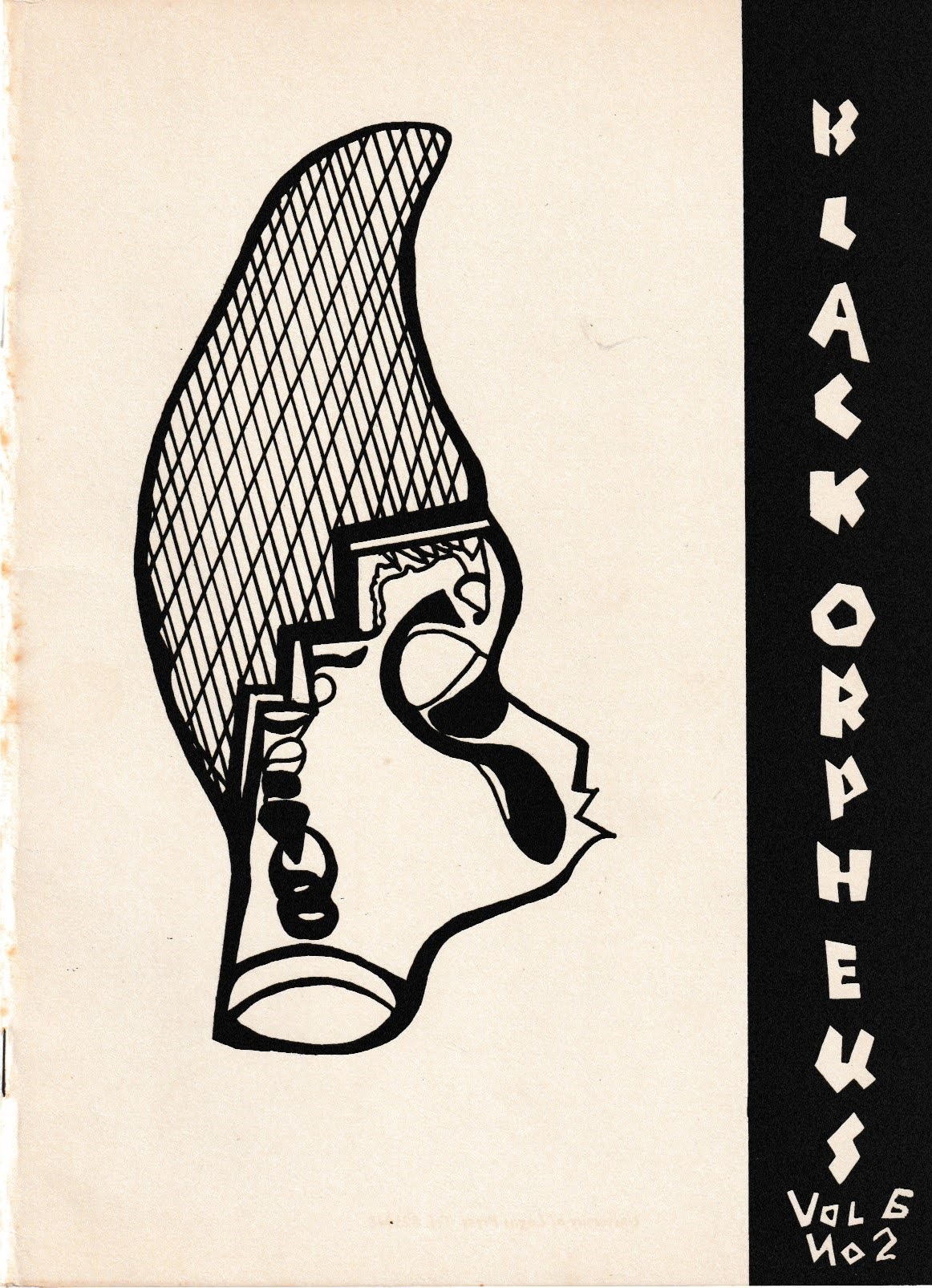
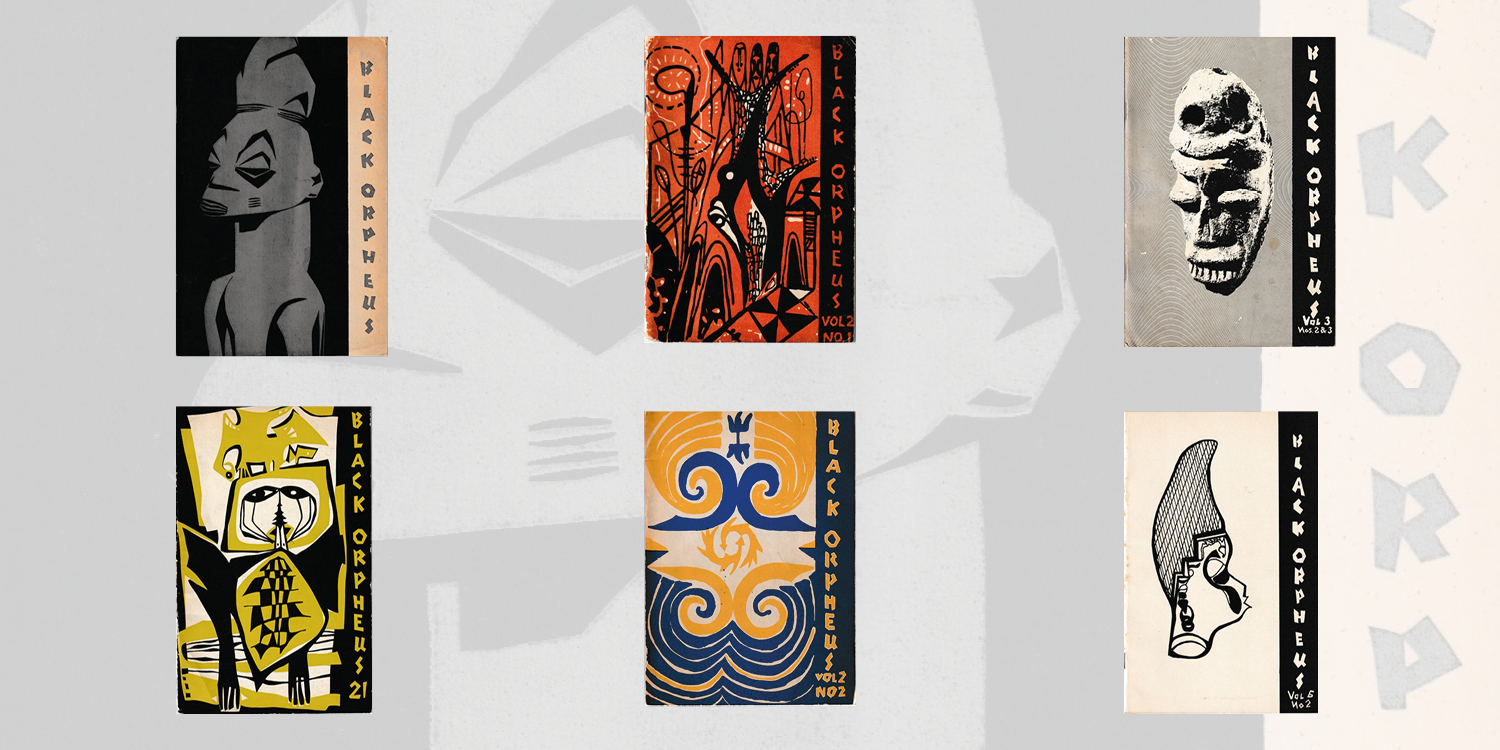
All covers of Volume 1 were designed by Susanne Wenger, Austrian artist and Ulli Beier's first wife. Taking traditional African art forms from across the continent — sculpture, fabric patterns, craft forms — and rendering them in punchy two- and three-colour screen prints, the covers are among the most distinctive of any literary journal of their era. By simplifying to flat form and bold colour, Wenger made a visual argument for the journals' contents before a word was read.
Each cover is a European re-interpretation of African art — a fact the journal's own contributors, Achebe and Ṣóyínká among them, would have held complex views about. The covers are beautiful. They are also a provocation.


Cover images courtesy of Josh MacPhee / Justseeds. Click any image to read his essay on the journal's visual history.
All scanned editions are freely available via Google Drive. Consult the metadata spreadsheet to navigate the full contents of Volume 1.
Volume 1 Metadata Spreadsheet Contents guide for Vol. 1 →Missing copies: If you encounter issues not listed above — particularly from Volumes 2, 4, and 5 — please contact submissions@olongoafrica.com. We would love to buy or scan them.
OlongoAfrica's inaugural cohort of Black Orpheus Research Fellows (selected February 2025) have additional access to the physical magazines through library partners in Lagos.
Work produced in direct engagement with the digitized archive, the fellowship, and the broader project — published on OlongoAfrica.
Call · 2026 Call for Submissions: A Black Orpheus Companion Essay · 2025 Mbari: Interrogating the Place of Space in African Art Essay · 2025 From the Prism of Black Orpheus: Mapping the Growth and Development of Discourse on African Literature Dispatch · 2025 Black Orpheus Dispatch: On Re-Using History Essay · 2025 Finding Traditions of African Literature in Black Orpheus Dispatch · 2025 Black Orpheus Dispatch: Winding Down Dispatch · 2025 'Ever seen a copy of Black Orpheus?' – Meeting Bruce Onobrakpeya Dispatch · 2025 Black Orpheus Dispatch: The Creative Economy Paradox Dispatch · 2025 Black Orpheus Dispatch: On Re-counting History Announce · 2025 Presenting the Digitized Black Orpheus Journals Report · 2024 Black Orpheus at Art X LagosA conversation on the origins, ambitions, and significance of Black Orpheus Revisited — why recovering this archive matters now, and what it means for contemporary African literary culture.
Watch on YouTube →Further documentation of the Black Orpheus Revisited project and its recovery and celebration of the journal's remarkable legacy across six decades of African literary culture.
Watch on YouTube →
Curator and writer En Mirembe scripts a philosophical reckoning from Lagos — on Ulli Beier, Sartre, Fanon, and what it means to untangle Black literary archives built on contentious terms. Part of the C& and Pro Helvetia Fieldnotes Arts Writing Exchange.
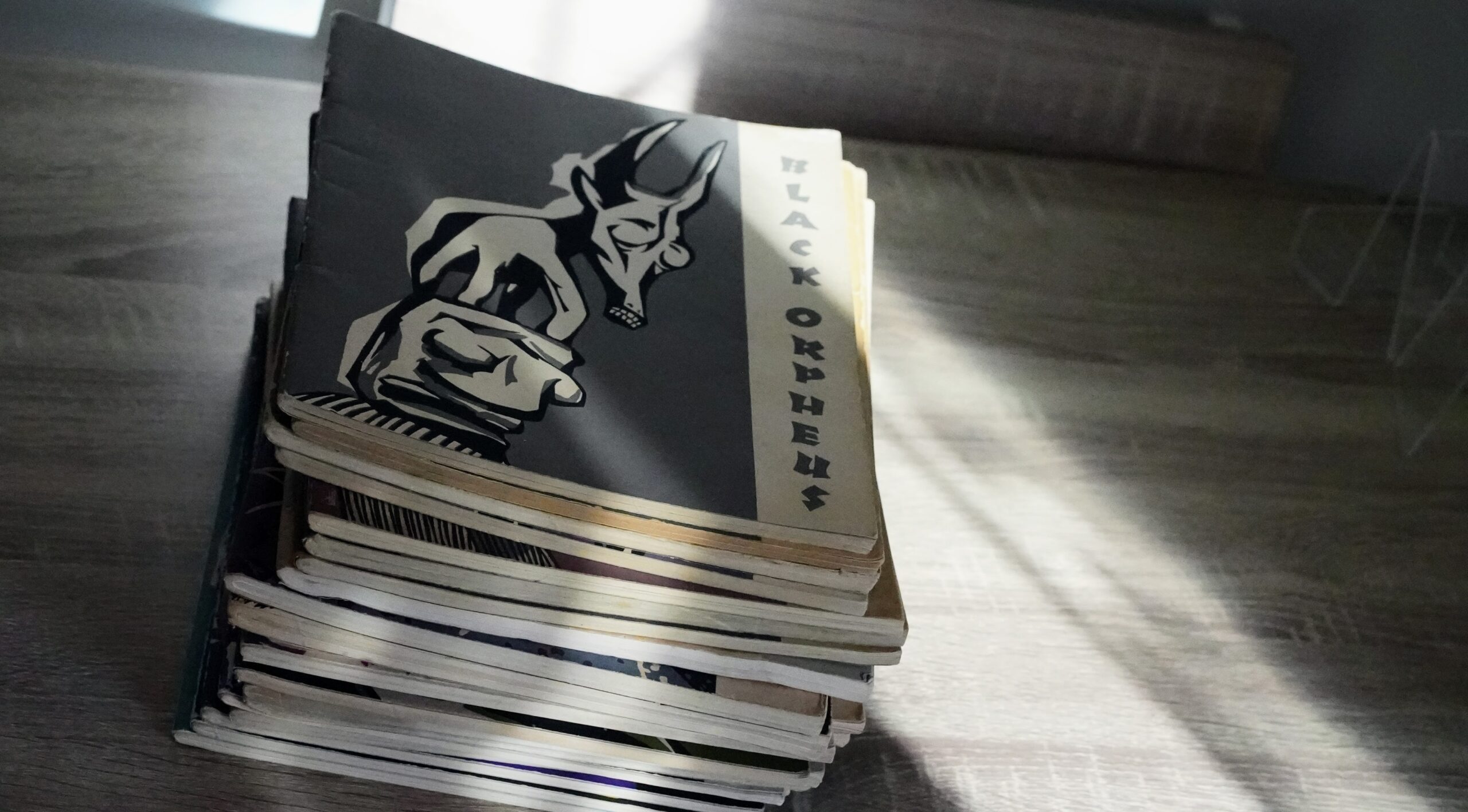
The World of Interiors magazine featured the Black Orpheus Revisited project and its significance for recovering African visual and literary culture.
The Guest Artists Space Library in Lagos announced a two-year loan of 43 materials — including 29 original print editions — to support the Black Orpheus Fellowship. April 2025.